
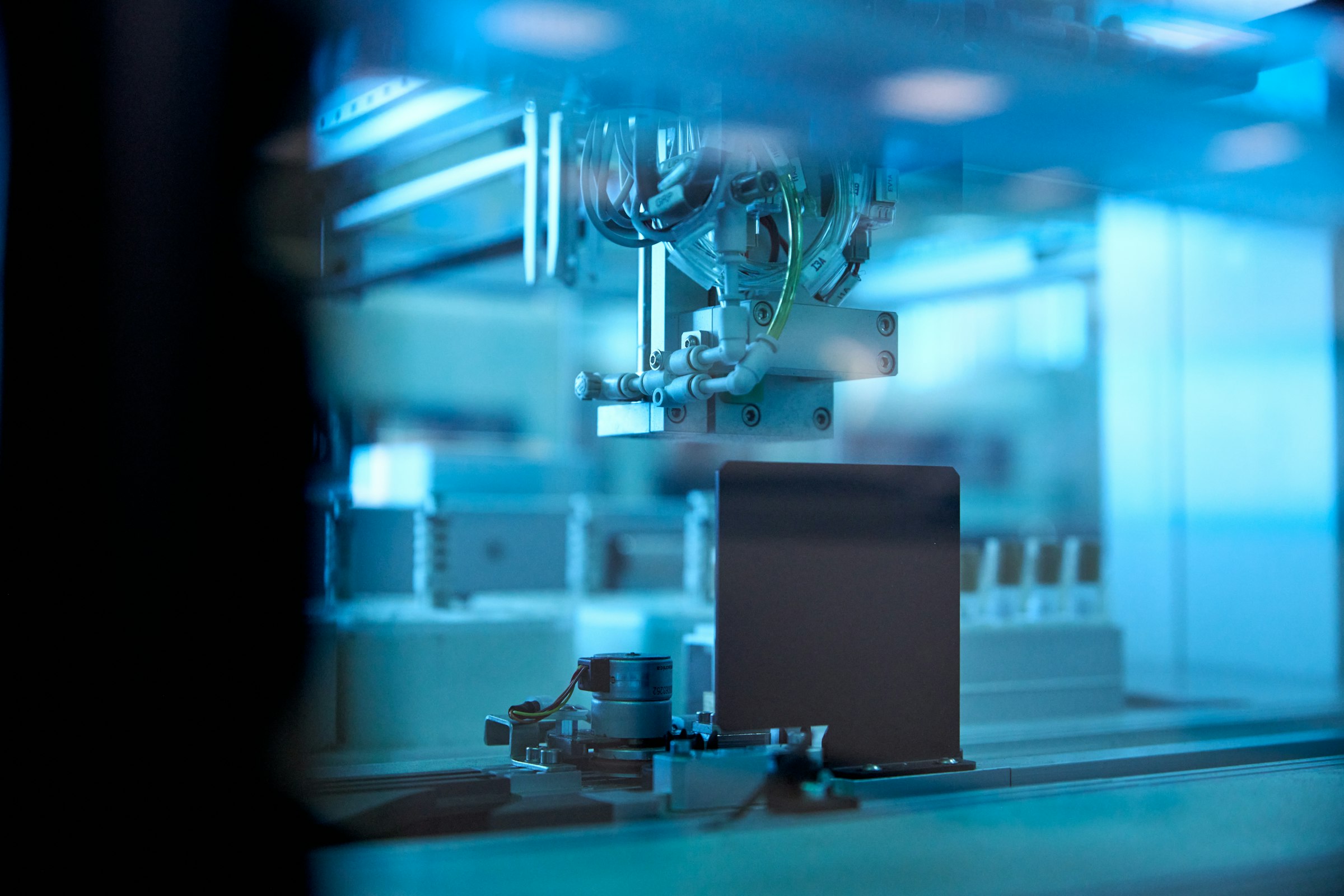
Shenzhen has become one of the most talked-about places in the world for robotics and embodied AI. For a visiting business team, the challenge is not finding robots—it is finding the right companies, getting real conversations, and leaving with next steps.
Why robotics teams come to Shenzhen
Shenzhen combines three things that rarely sit in one city: hardware engineering talent, a dense electronics supply chain, and manufacturers that can move from prototype to volume quickly. For a robotics company, that means motors, sensors, controllers, batteries and enclosures can often be sourced, tested and iterated within the same region. That is why founders, OEM buyers and investors increasingly treat a Shenzhen visit as part of their due diligence.
For visitors, the advantage is density. In a single day you can move from a showroom to a component supplier to an integration partner, and see how the pieces connect. Few other cities make that possible in such a short trip.
The ecosystem in four layers
- Robot and embodied-AI companies building industrial arms, service robots, quadrupeds and humanoids.
- Component and module makers—actuators, reducers, sensors, vision modules and control boards.
- Manufacturing and integration partners that assemble, test and scale production.
- Hubs and showcases where you can see many companies and products in one place, such as Shenzhen’s Robot Valley cluster.
A good visit touches more than one layer. Seeing a finished robot is interesting; meeting the supplier of its joint module may be what actually matters for your business.
How company visits really work
Most Shenzhen companies are open to visitors when there is a clear reason to meet. A few practical points:
- Showrooms vs. production floors. Many visits take place in showrooms or meeting rooms. Production lines are not always open, especially at larger companies.
- Benchmark companies are visit programs, not guarantees. Large brands typically offer showroom or briefing appointments subject to availability.
- Some exhibition visits are paid. Guided exhibition visits at robotics hubs may involve a fee, which covers a professional explanation.
- Confirmation takes time. Companies are usually confirmed one to three weeks ahead, case by case.
Who should go
The teams that benefit most are robotics startups looking for suppliers or manufacturing partners, OEMs evaluating components, corporate innovation teams mapping the market, and investors who want to see the industry first-hand. Bring at least one technical person: the best conversations in Shenzhen are often between engineers.
How to prepare
- Define your question. “Find a reducer supplier for a 7-axis arm” gets better meetings than “learn about robotics.”
- Share specs in advance. Volumes, target price ranges and timelines help hosts prepare the right people.
- Bring a professional interpreter. Many engineers are more precise in Mandarin; an industry-aware interpreter keeps technical detail intact.
- Plan the follow-up. Agree on samples, quotes or a next call before you leave the room.
A simple two-day structure
Our Shenzhen Robotics Signature (2 days) is a standard 2-day program built on this logic. Day 1 starts with a guided Robot Valley visit and cluster orientation, then one matched robotics company. Day 2 brings two matched robotics or component companies and a facilitated wrap-up to agree next steps. Larger groups can request a tailored version.
If your interest is more on the hardware supply side, pair it with our Shenzhen Robotics Signature: supply-chain day program, or read our first-timer’s guide to Huaqiangbei.
Quick answers
Can we see production lines?
Sometimes. Many visits take place in showrooms or meeting rooms; production access depends on each company and is confirmed in advance.
How far ahead should we book?
Ideally four to six weeks. Companies are usually confirmed one to three weeks before the visit.
Do we need an interpreter?
We strongly recommend one. Technical conversations are faster and more precise with an interpreter who knows the industry.